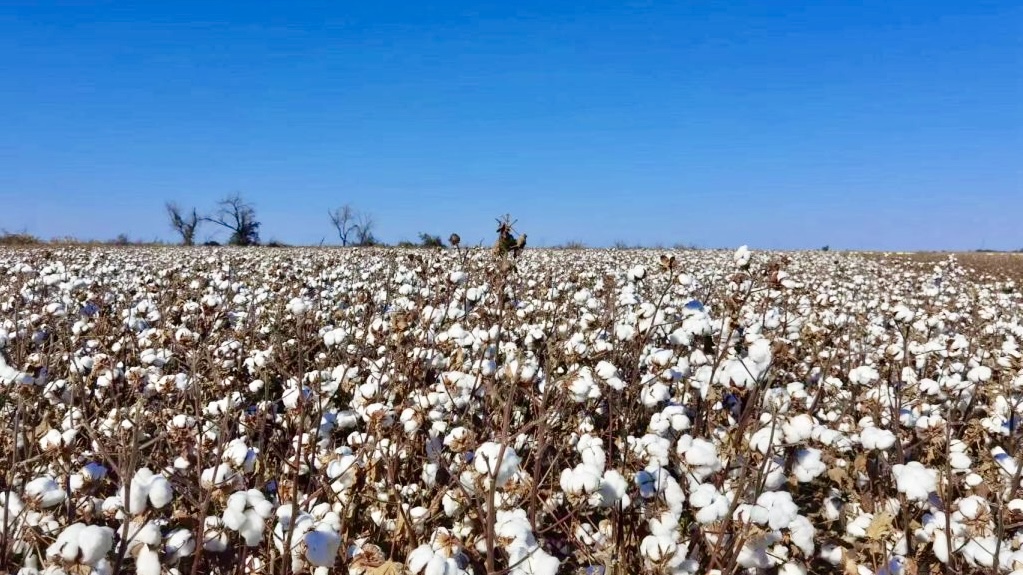
Drones in Cotton Farming: Ushering in a New Era of Agricultural Excellence
The rapid pace of technological innovation continues to reshape traditional industries, and agriculture is no exception. Among the most exciting advancements is the use of drones in cotton farming, particularly in the critical defoliation process. Let’s explore how these modern tools are revolutionizing age-old farming practices.
Cotton’s Journey: From Seed to Harvest
Cotton is one of the world’s most essential natural fiber crops. Its journey from seed to harvest requires meticulous care, with each growth stage presenting unique challenges. Farmers know all too well the importance of managing every phase with precision to ensure healthy crops and optimal yields.
Why Defoliation Matters
Defoliation plays a pivotal role in cotton farming as the crop reaches maturity. While leaves are vital during the growth phase, they become obstacles during harvesting, blocking access to cotton bolls and potentially lowering fiber quality. Think of defoliation as prepping cotton for its grand debut—a necessary step to ensure smooth harvesting and maximum value.
A Glimpse at Traditional Defoliation Methods
Historically, defoliation was either a labor-intensive manual process or involved large-scale chemical spraying. While effective, these methods were time-consuming and raised concerns about environmental sustainability and chemical overuse.
Enter Drones: A Game-Changer in Cotton Farming
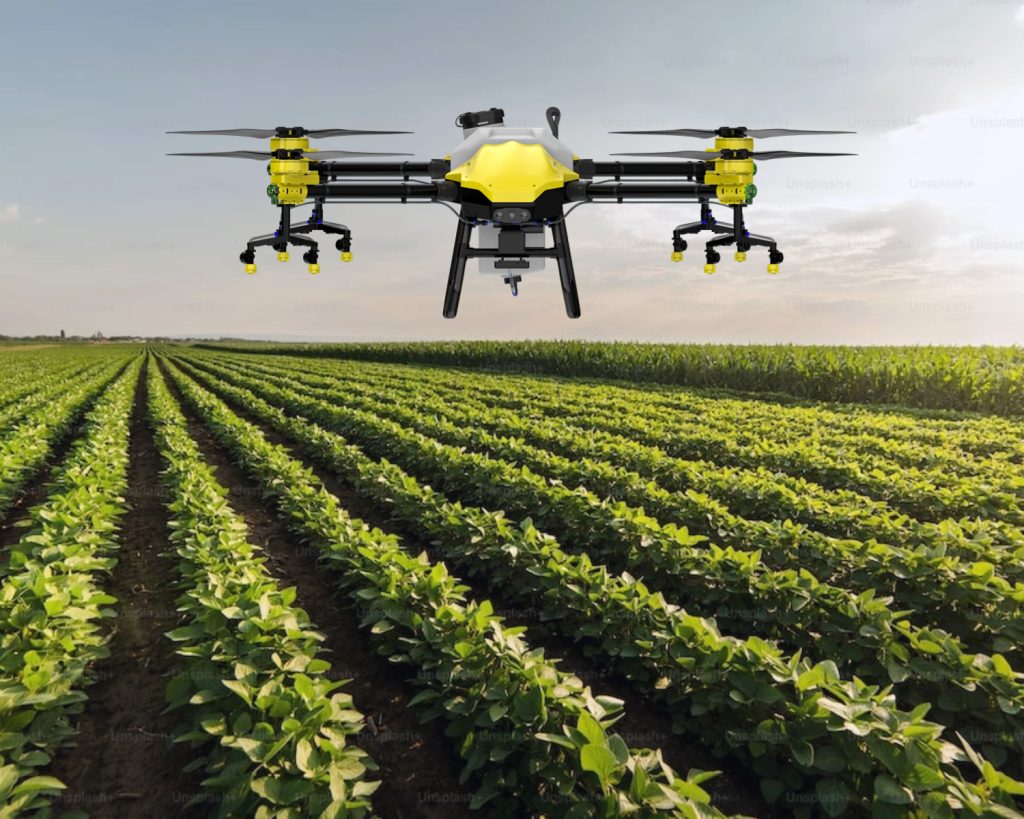
The introduction of drones has transformed the defoliation process, offering precision, efficiency, and sustainability:
Unparalleled Precision: Drones enable even, targeted treatment for each cotton plant, reducing over- or under-application.
Enhanced Efficiency: Covering large fields in record time, drones significantly reduce the labor and time required.
Eco-Friendly Approach: Precise spraying minimizes chemical usage and environmental impact, aligning with sustainable farming practices.
How to Deploy Drones for Defoliation
Choose the Right Tools: Select a suitable defoliant and a drone optimized for agricultural spraying.
Plan the Flight Path: Map out routes based on field size, topography, and cotton density.
Take Off: Launch the drone and monitor its progress, adjusting as needed for optimal results.
Evaluate and Learn: After completing the process, assess the results to refine future operations.
Challenges to Consider
While drones simplify defoliation, proper maintenance, weather considerations, and operator training are essential to ensure smooth and effective operations.
Proven Results: Drones in Action
Take the example of a cotton farm in Jiangsu. By integrating the Startech S-H40X drone into their defoliation process, the farm achieved:
A 15% improvement in defoliation rates
A 20% increase in flowering rates
A 10% boost in overall yield
These results speak to the transformative power of drone technology in agriculture.
Spotlight on the Startech S-H40X
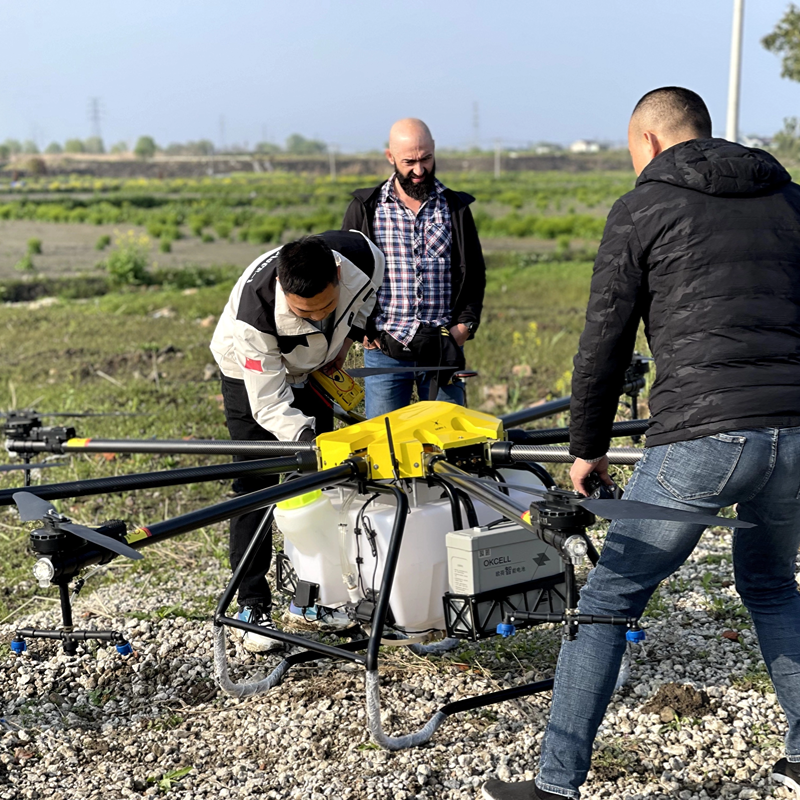
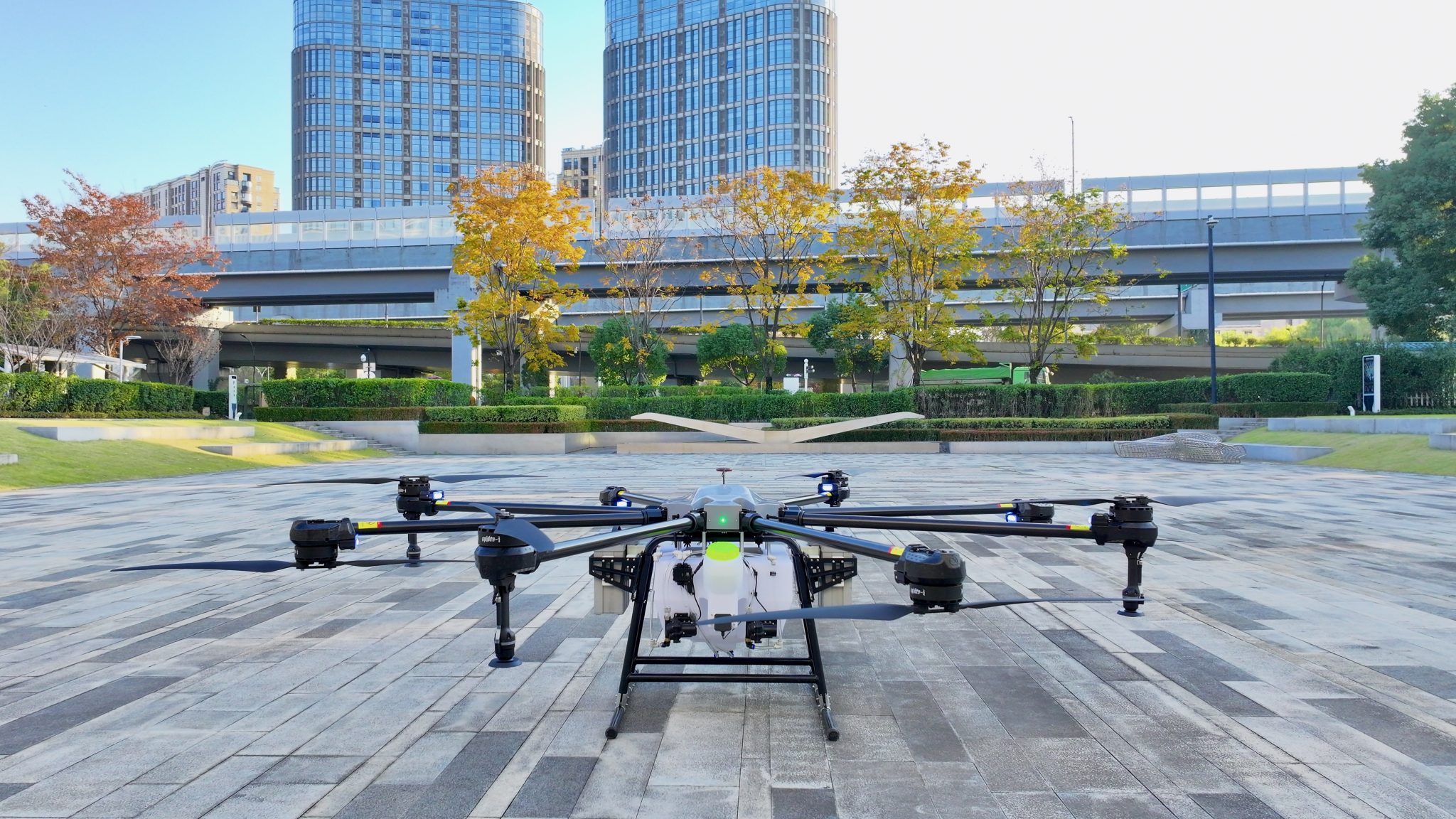
For farmers seeking a reliable partner, the Startech S-H40X stands out. Designed specifically for agricultural tasks, it offers exceptional precision, robust endurance, and a high payload capacity, making it a top choice for modern farms.
Beyond Cotton: Expanding the Role of Agricultural Drones
The potential of drones in agriculture extends far beyond defoliation. From precision irrigation to pest monitoring and even planting, drones are poised to lead a tech-driven agricultural revolution that improves efficiency and sustainability across the sector.
A New Era of Farming
The fusion of traditional farming expertise with cutting-edge drone technology signals a brighter, more efficient future for agriculture. As drones take to the skies, they are not just tools but symbols of progress, helping farmers navigate the challenges of today and tomorrow with confidence.
The future of farming is here—and it’s soaring