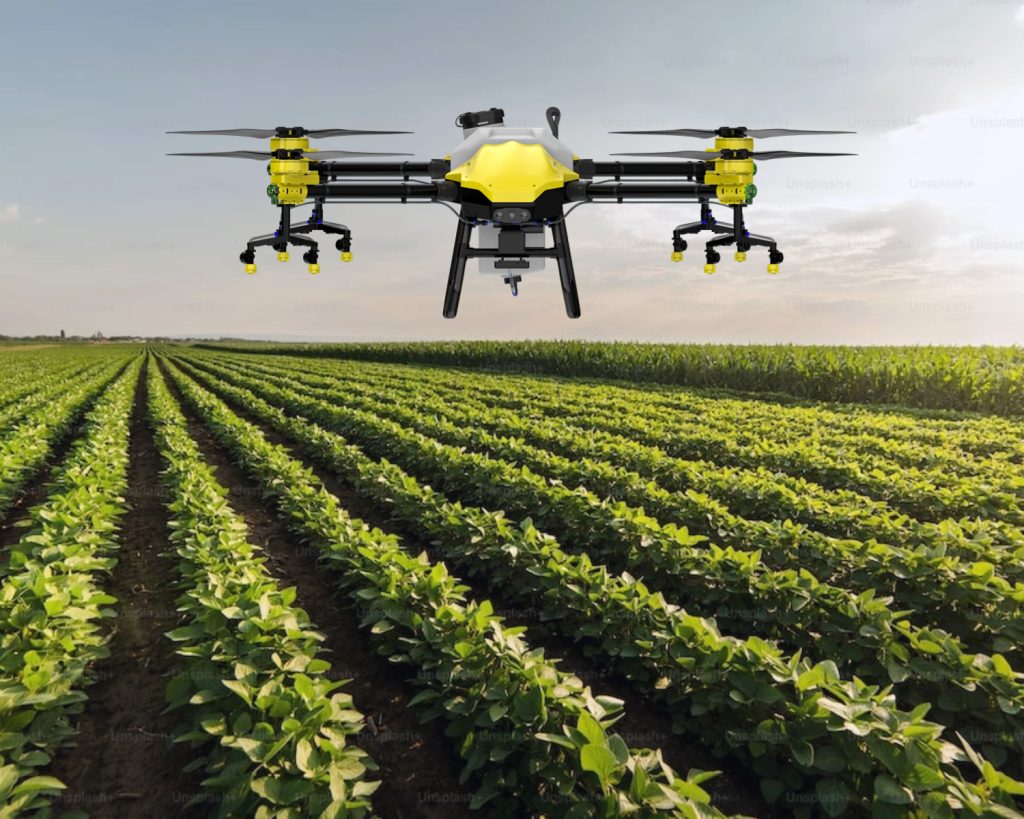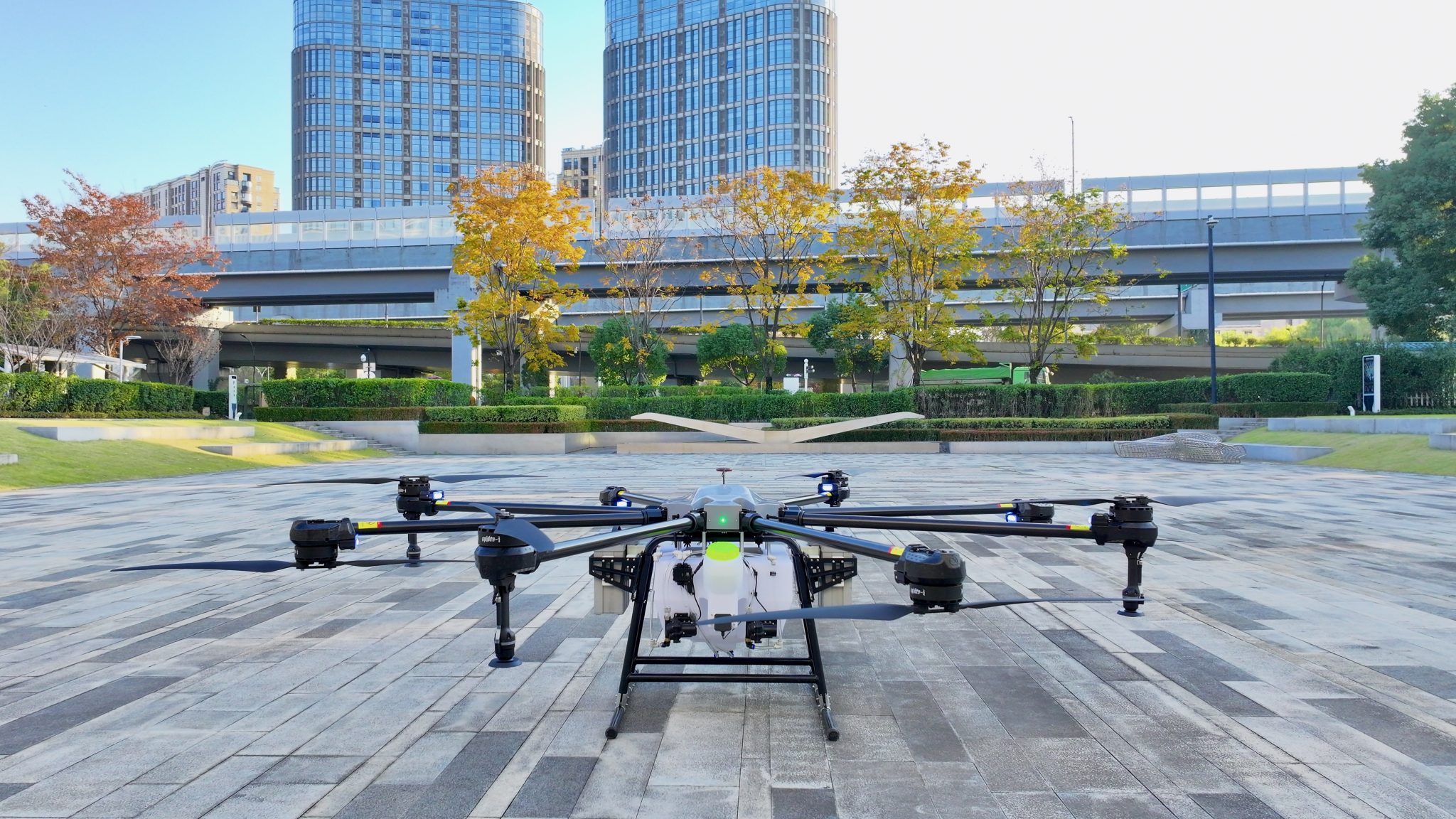
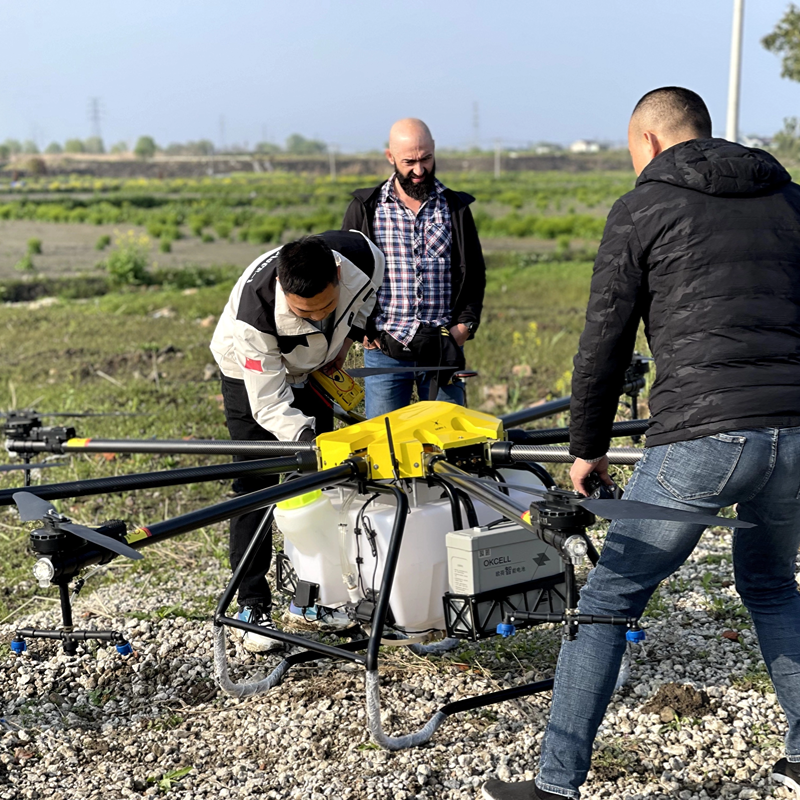
As technology continues to transform agriculture, drones have become a vital tool for modern farming. These advanced devices are revolutionizing farm operations by increasing efficiency, cutting costs, and boosting farmers’ profits.
Key Applications of Agricultural Drones
Crop Monitoring: High-resolution imaging enables farmers to assess plant health and growth with precision.
Precision Agriculture: Drones allow for targeted application of fertilizers and pesticides, minimizing waste and reducing expenses.
Soil Analysis: Quickly evaluate soil moisture levels and nutrient distribution to optimize planting decisions.
Irrigation Management: Monitor irrigation systems to improve water efficiency and effectiveness.
Livestock Monitoring: Track and observe livestock for location and health status with ease.
Pest and Disease Detection: Early identification of issues enables timely intervention to protect crops.
Factors to Consider When Choosing an Agricultural Drone
With many models available, choosing the right agricultural drone involves evaluating the following:
Payload Capacity
Select a drone with adequate carrying capacity based on your needs. Higher payloads are ideal for spraying, while lighter drones equipped with imaging sensors are better for monitoring.Flight Time and Range
Ensure the drone can operate long enough to cover your farm without frequent charging. Models with flight times between 20–60 minutes and sufficient range are best for larger fields.Camera and Sensor Quality
The quality of cameras and sensors directly impacts the effectiveness of crop monitoring. Look for drones with:Multispectral Cameras: Analyze light wavelengths to evaluate plant health.
High-Resolution Cameras: Capture detailed images for early problem detection.
Thermal Sensors: Identify temperature changes in crops and soil for actionable insights.
Ease of Operation
Choose a user-friendly drone that reduces the need for extensive training. Features to prioritize include:Autonomous Flight: Pre-programmed flight paths for simplified use.
Real-Time Data Analysis: Instant reporting for faster decision-making.
Mobile App Integration: Control and analyze data easily via smartphones.
Regulatory Compliance
Familiarize yourself with local drone regulations, including licensing and operational guidelines. Select a model that complies with these rules to avoid legal issues.Budget
Agricultural drone prices vary significantly. Consider your budget and select a model that meets your needs without unnecessary features.Manufacturer Support and Reliability
Choose a drone from a reputable manufacturer that offers strong customer support, warranties, and regular updates to keep your equipment running smoothly.
Agricultural drones are transforming the way farms operate, making them more efficient and cost-effective. By considering your specific needs and the factors outlined above, you can select the perfect drone to enhance your farm’s productivity. Here’s to smarter farming and successful flights!